
The Ultimate Guide to Choosing a Personalized Marketplace


Understanding Personalized Marketplaces
The rise of personalized marketplaces has transformed how we shop and do business online. These platforms offer tailored experiences that cater to individual preferences, making transactions more relevant and engaging. But what exactly makes a marketplace "personalized"? It involves using data analytics to understand user behavior, preferences, and needs, delivering a shopping experience that feels custom-made.
Whether you’re a consumer looking for a more tailored shopping experience or a business aiming to provide personalized services, understanding how these marketplaces work is crucial. They utilize algorithms to suggest products, provide custom deals, and even predict future needs.

Key Features of a Personalized Marketplace
When choosing a personalized marketplace, there are several key features to look for. These include:
- Data-Driven Recommendations: Platforms that use data analytics to provide personalized product recommendations.
- User-Friendly Interface: An intuitive design that enhances the shopping experience.
- Seamless Integration: The ability to integrate with other tools and platforms for a unified customer experience.
These features ensure that users not only find what they’re looking for but also discover new products that align with their tastes and preferences.
Benefits of Using Personalized Marketplaces
For both businesses and consumers, personalized marketplaces offer several advantages. For consumers, the benefit is clear: a shopping experience that feels uniquely theirs. They can enjoy curated selections, exclusive deals, and a smoother shopping journey.
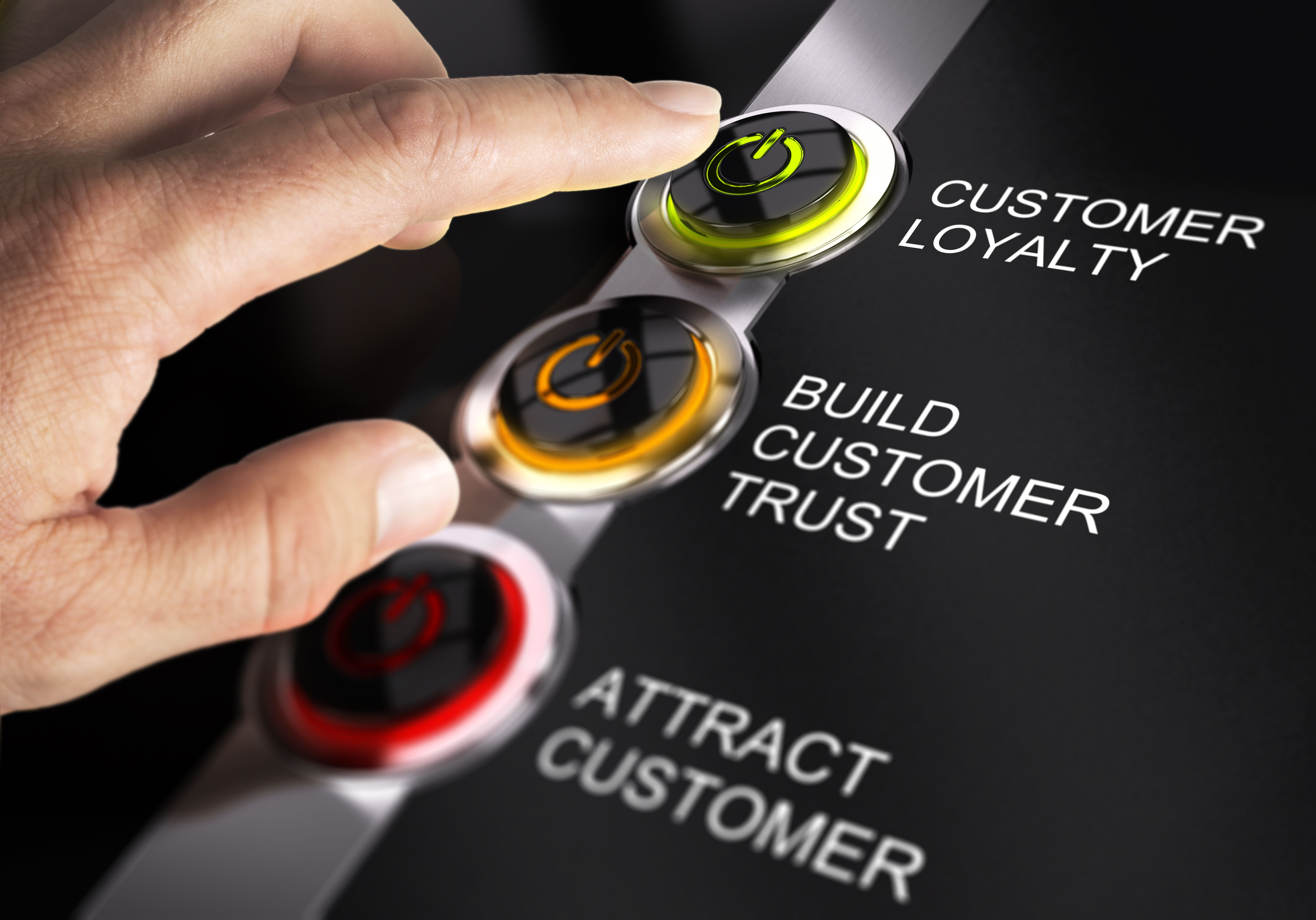
For businesses, the benefits include increased customer loyalty, better conversion rates, and enhanced customer insights. By understanding what customers want, businesses can tailor their offerings to meet those needs effectively.
How to Choose the Right Personalized Marketplace
When selecting a personalized marketplace, consider the following steps:
- Identify Your Needs: Understand what you or your business needs from a marketplace platform.
- Research Options: Look into different platforms and compare their features, pricing, and reviews.
- Test Usability: Make sure the platform is easy to navigate and user-friendly.
- Check for Scalability: Ensure that the platform can grow with your needs.
These steps will help you find a marketplace that aligns with your goals and provides the best experience possible.
Potential Challenges and Solutions
While personalized marketplaces offer numerous benefits, they also come with challenges such as data privacy concerns and the need for constant updates. Businesses must be transparent about data usage and ensure compliance with regulations to build trust with their users.
Additionally, keeping up with technological advancements is vital. Regular updates and innovations ensure that the platform remains competitive and continues to meet user expectations.

Future of Personalized Marketplaces
The future of personalized marketplaces is promising, with advancements in artificial intelligence and machine learning. These technologies will further enhance the ability to predict consumer behavior and offer even more personalized experiences.
As these marketplaces continue to evolve, businesses and consumers alike can expect more efficient, enjoyable, and seamless online shopping experiences.